
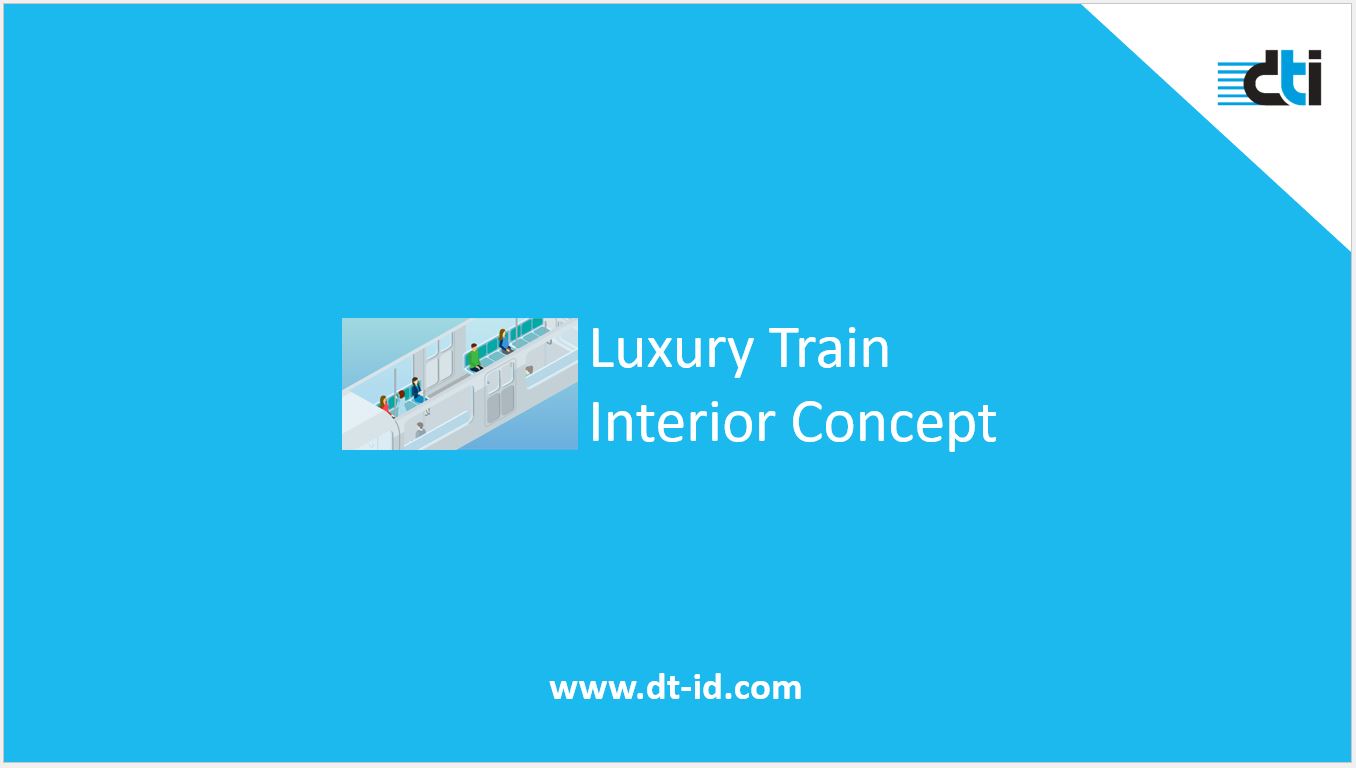
Designing a train interior that reflects elegance, efficiency, and durability requires more than aesthetic vision. Rail operators encounter increasing pressure to provide comfort, improve passenger experience, and maintain long-term structural reliability. A rail cabin that lacks ergonomic seating, cohesive layout planning, or efficient use of space often results in a travel environment that feels congested, outdated, and disconnected from modern expectations. The market continues to evolve, and passengers who invest in luxury travel expect an environment aligned with hotel-level refinement rather than standard transport minimalism.
These expectations generate challenges for design engineers working to harmonize beauty with compliance requirements, safety regulations, and strict technical specifications. Mismatched materials, poorly executed acoustic solutions, or insufficient spatial planning can sabotage even the most visually appealing concept. The gap between conceptual sketches and manufacturable engineering drawings becomes increasingly apparent when the project lacks precision and systematic development.
A refined solution lies in adopting a Luxury Train Interior Concept grounded in functionality, engineering accuracy, and modern design methodology. Engineering specialists such as Desain Teknik Indonesia (DTI), with more than 15 years of experience, offer a structured approach supported by high-end hardware and advanced CAD systems to ensure every detail from seats to flooring systems is technically valid, manufacturable, and visually impressive. This structured process results in railway interiors that feel sophisticated, timeless, and aligned with the premium expectations of luxury rail travel.
Contents
show
What Defines a Luxury Train Interior Concept?
A luxury train interior concept represents more than premium materials or elegant visual styling. It is a complete design philosophy focused on creating an environment that merges comfort, refined aesthetics, durability, and engineering efficiency. The concept considers spatial ergonomics, seating layout, lighting strategy, vibration management, safety standards, and long-term material performance under railway operational conditions. Every detail must contribute to an elevated travel experience.
Luxury interior concepts prioritise user comfort while ensuring the design aligns with technical feasibility. The structural elements, modular components, and maintenance access zones are planned early in the design stage. This approach avoids costly redesigns later in development. The outcome is a space that is visually impressive, comfortable to occupy, and compliant with stringent global railway standards.
Engineering Precision Behind Luxury Railway Interiors
Engineering plays a fundamental role in transforming creative ideas into practical designs. Luxury rail interiors involve structural integrity assessments, cabin layout optimization, soundproofing strategy, fire-resistant material selection, and mechanical design validation. These tasks require accuracy, methodical planning, and advanced digital tools.
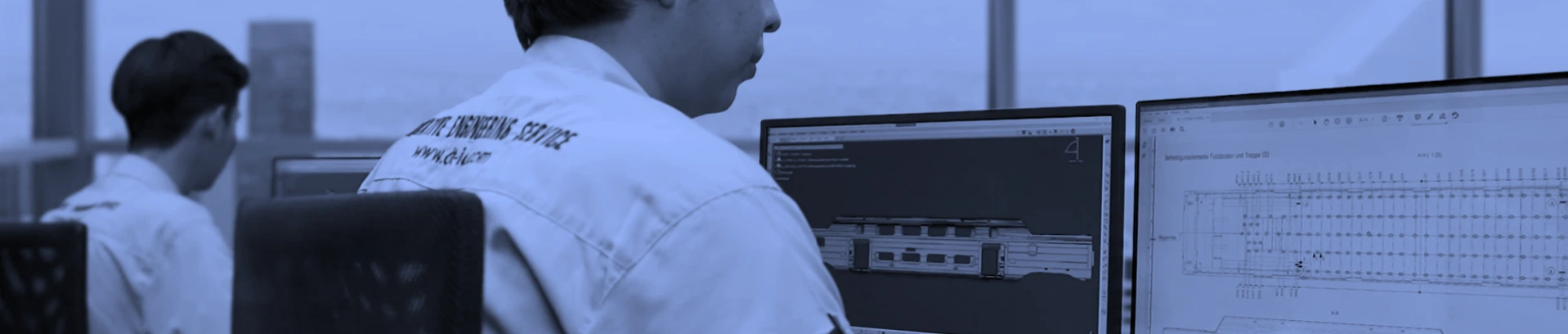
With more than 15 years of experience, Desain Teknik Indonesia supports railway operators in Switzerland and other European countries by providing drawings, part lists, and fully engineered design documentation. Their workflow integrates advanced CAD software with high-performance hardware to deliver detailed and functional engineering outputs. This ensures that every component is manufacturable, cost-efficient, and compatible with passenger experience goals.
Interior Components That Shape the Luxury Experience
Seating represents the most critical touchpoint between the train and its passengers. Luxury seats must provide ergonomic support, premium upholstery, and intuitive functionality. Adjustable headrests, personalized lighting, reclining capability, and armrest storage features contribute to an elevated passenger experience. Engineering validation ensures these seats withstand operational stresses while maintaining comfort consistency over years of use.
A relevant area of focus includes integrated structural analysis and ergonomic modelling. A natural entry point for further technical exploration is available through the term Train Seat Design, which provides useful specifications and examples of engineered rail seating systems.
Sidewalls and Partition Systems
Sidewalls and partitions contribute to structural rigidity and overall interior character. A luxury design approach typically includes panel modularity, acoustic insulation, recessed lighting, and material harmonization. The engineering team evaluates vibration response, weight constraints, and ease of maintenance when selecting finishing materials such as laminates, composites, leather wrapping, or engineered textiles.
Flooring Systems
Flooring integrates not only visual themes but also safety criteria such as slip resistance, acoustic dampening, and fire-proof properties. Luxury rail interior flooring may include stone-finish textures, engineered wood visuals, or carpet systems. Engineering drawings capture curvature tolerances, mounting interfaces, fastening components, and cable routing for heated or illuminated floors when required by the project.
Lighting and Atmosphere Technology
Lighting contributes significantly to perceived luxury. Soft ambient illumination, task lighting near seating, and adaptive system controls create a personalized cabin environment. Engineering teams must consider power load management, heat dissipation, installation zones, and compliance with visibility and safety guidelines.
The Role of DTI in Modern Luxury Railway Projects
Desain Teknik Indonesia combines aesthetics and engineering functionality to produce modern rail interior designs. Their engineering teams create interiors for seats, floors, sidewalls, partitions, and structural modules while ensuring each element aligns with operational constraints and comfort targets. The workflow is meticulous and grounded in precision, balancing client expectations with certification requirements and manufacturability.
Through detailed drawings and part lists, DTI ensures stakeholders receive documentation that is clear, scalable, and aligned with production environments. This reduces uncertainty during fabrication and installation phases. Their technical capability, supported by advanced CAD systems and high-end hardware, strengthens their design execution.
Material Selection and Sustainability in Luxury Interiors
Material selection reflects both environmental responsibility and design innovation. High-quality materials such as lightweight composites, antimicrobial textiles, advanced acoustic panels, and flame-resistant leather contribute to safety while maintaining aesthetics. Sustainability considerations include recyclability, durability, and lifecycle analysis a crucial factor for operators aiming to reduce long-term replacement and maintenance costs.
Engineers evaluate not only appearance but also weight distribution, energy consumption impact, and compatibility with cabin assembly. Sustainable luxury is increasingly becoming a key differentiator for rail operators.
Manufacturability and Real-World Application
Beyond rendering and conceptual sketches, engineering documentation ensures every design element is feasible. Manufacturing consistency, modular installation, tolerance management, and assembly access points are defined early in the design stage. Precision in modelling minimizes on-site adjustments and accelerates production timelines.
Luxury train interiors must remain resilient under vibration loads, temperature fluctuations, and long-term use. Therefore, validation, simulation, and iterative testing are vital project phases.
Why Engineering-Led Design Matters
Rail operators benefit from design decisions grounded in engineering data rather than assumption-based aesthetics. Passenger expectations will continue evolving, yet safety compliance, durability, and system serviceability remain non-negotiable.
A structured design methodology delivers:
- Reduced redesign cycles
- Improved passenger comfort
- Optimized maintenance lifecycle
- Compliance with international railway standards
- Better alignment between concept and manufacturing
This engineering-driven approach ensures the luxury train interior concept is functional, beautiful, and built to last.
Final Perspective
Luxury train interior development requires technical precision, design sensibility, and reliable engineering processes. A successful project blends ergonomics, advanced materials, layout logic, engineering validation, and visual harmony. The expertise of organizations such as Desain Teknik Indonesia provides operators with a trusted design system that transforms rail cabins into refined, operationally efficient environments.
For consultation, component engineering, or interior design specification support, you may Contact our engineering team to explore development pathways tailored to your project needs.