

Selecting the right Aircraft Console Seat for aviation operations is not just about appearance or convenience. Flight crews operate in environments that demand stability, precision, and long periods of focus. When seating design is outdated or poorly engineered, issues begin to surface including operator fatigue, reduced movement range, discomfort during long missions, and difficulty accessing control panels. These limitations can lead to slower response, decreased situational awareness, and unnecessary strain on the body. In aviation operations, even minor performance disruptions may affect mission outcome and aircraft system handling.
These challenges become more noticeable when operators rely on rigid seats with limited adjustability or systems not optimized for modern cockpit layouts. Maintenance difficulties, ergonomic mismatch, and incompatibility with newer equipment can increase operational cost and servicing downtime. For aviation users prioritizing safety, comfort, and functional mobility, selecting the right seating solution becomes a key priority.
A well engineered seating system solves these concerns. One solution is developed by Desain Teknik Indonesia (DTI). DTI successfully produced an Aircraft Console Seat that prioritizes Functionality, Comfort, and Safety for the operator crew. This product complies with strict CASR 25 aviation certification requirements. It features ±90° maneuverability, ergonomic operator access and a plug and play system for rapid installation. Built with European standard quality and offered with competitive pricing, the design is suitable for fleet upgrades and new build applications.
Contents
show
Aircraft Console Seat
An aircraft console seat supports more than the physical presence of the operator. It influences workload efficiency, decision making, and operator posture during demanding missions. A well designed seat provides movement flexibility, allows comfortable access to instruments and maintains proper support during long operating hours. Reducing fatigue is essential because it directly affects operator endurance and mission consistency.
Aircraft console seating requires structural reliability, ergonomic shaping, and formal certification procedures. Unlike conventional seating, aviation environments involve vibration exposure, rapid movement demands, and strict safety requirements. Every component must perform consistently throughout the operational life cycle.
Aviation Regulations and Compliance Requirements
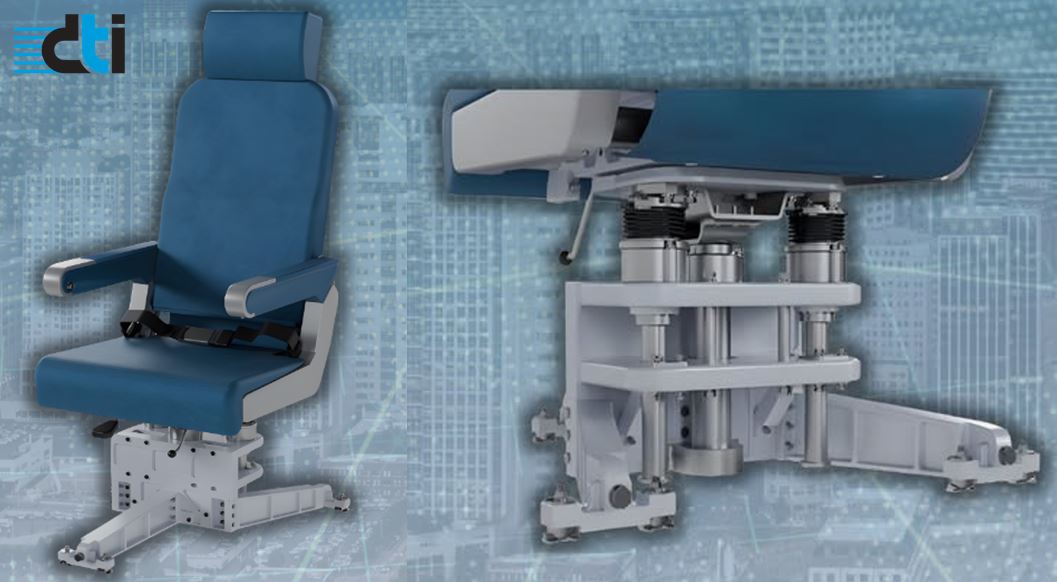
Compliance is a mandatory foundation of aviation product design. Certification ensures that every part of the Aircraft Console Seat meets durability, flammability, and crash protection criteria. The DTI aircraft seat fulfills CASR 25 standards, establishing confidence during procurement and operation.
This compliance offers benefits such as:
- Approved safety performance
- Reduced certification delays
- Traceable engineering documentation
- Procurement confidence
A non certified seating product may require costly redesign and can delay aircraft approvals.
Functionality
Functionality defines how well the seat supports mission efficiency. Features such as ±90 degree maneuver capability, intuitive adjustment points, and plug and play mounting allow operators to work without mechanical restriction. These elements also simplify retrofit projects and maintenance.
Comfort
Comfort allows the operator to remain focused during extended operational periods. Proper lumbar support, adjustable seating angles, and optimized cushion material help prevent strain and long term posture issues. Comfort and ergonomics significantly influence concentration and efficiency.
Safety
Safety includes structural load capacity, fire resistant materials, locking mechanisms and secure occupant positioning. Each component is engineered to remain reliable during turbulence, rapid maneuvering, or emergency conditions.
Plug and Play System Integration
DTI integrates a plug and play approach to installation. The Aircraft Console Seat can be mounted using existing points or compatible interface systems. This method reduces engineering effort, saves implementation time, and simplifies documentation. Operators upgrading multiple aircraft benefit significantly from reduced installation time and predictable fit quality.
Engineering and Manufacturing Considerations
Manufacturing an Aircraft Console Seat requires strict tolerance accuracy, repeatable measurements, and controlled finishing processes. Machined components must withstand operational load, movement cycles, and environmental exposure. Engineering calculations, welding quality control, and fatigue testing ensure consistent performance throughout long term use.
Aviation manufacturing benefits from high precision processes. One supporting capability relevant to this product is precision machining technology, which plays an important role in producing locking mechanisms, brackets, adjustment housings and structural interfaces.
Why DTI’s Aircraft Console Seat Stands Out
The product delivers a balance between ergonomic design, manufacturing precision, and aviation compliance. Key performance highlights include:
| Feature | Benefit |
|---|---|
| ±90° maneuver capability | Increased operator movement and reach |
| CASR 25 compliance | Verified aviation operational safety |
| Plug and play installation | Reduced engineering and modification time |
| Ergonomic comfort | Improved focus and posture |
| European standard quality | Long service life and consistent reliability |
This approach allows operators to adopt the product confidently across varying operational conditions or aircraft platforms.
Future Adaptation and Custom Options
Aircraft platforms may have specific mission requirements. The modular seat architecture allows adaptation in cushion material density, armrest configuration, mounting interface, assist mechanisms, and adjustment travel. Engineering consultation ensures compatibility with cockpit layout, mission type and aircraft platform.
Procurement Guidance for Aviation Operators
When sourcing an Aircraft Console Seat, procurement teams should evaluate:
- Certification and compliance documentation
- Compatibility with existing systems
- Maintenance accessibility
- Material specification and testing data
- Product support and warranty
- Expected service life and replacement availability
A structured evaluation method ensures the selected solution aligns with future fleet planning and operational objectives.
Conclusion
The Aircraft Console Seat developed by DTI is engineered with a strong focus on operator usability, ergonomic comfort, and aviation safety requirements. With maneuver flexibility, durable construction, and a simplified installation system, it serves as an efficient solution for operators seeking performance and reliability.