
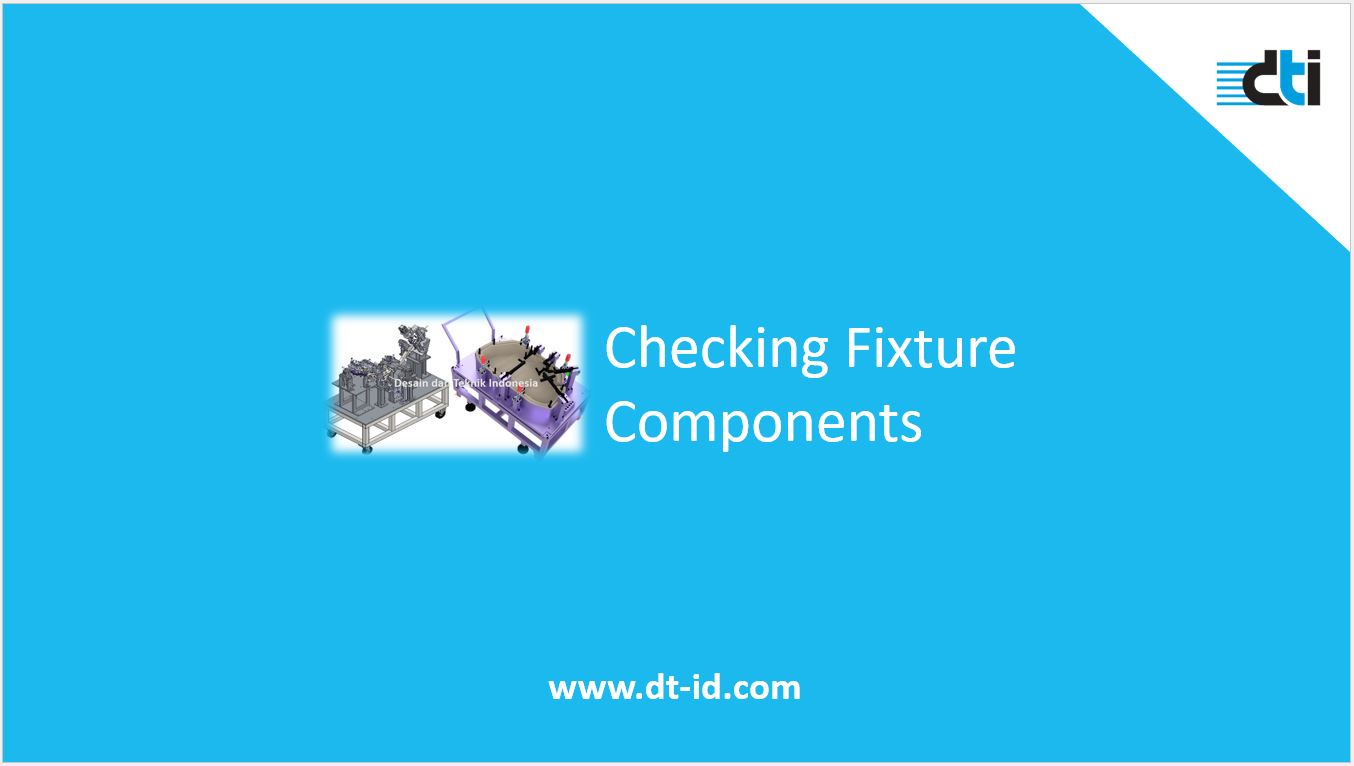
Ensuring dimensional consistency in manufactured parts can become a significant challenge when product lines scale and tolerances tighten. Engineers often encounter deviations that only appear after assemblies reach the inspection stage, creating delays and increasing rework costs. These issues tend to accumulate when measurement processes rely on manual judgment instead of structured referencing points. As a result, operators may struggle to confirm whether a part truly meets the required specifications, leading to unnecessary adjustments or misinterpretation of measurement results.
To resolve this recurring uncertainty, checking fixtures provide a controlled inspection environment with defined locating points, clamping positions, and reference features. By integrating the correct components into a fixture, the measurement process becomes faster, more repeatable, and less dependent on individual skill. The right configuration ensures that every part is inspected under consistent conditions, supporting a stable workflow and strengthening quality assurance practices.
Contents
show
What Are Checking Fixture Components?
Checking fixture components refer to the mechanical elements assembled into a fixture to secure, locate, reference, and verify manufactured parts. These elements work together to create a structured inspection platform that ensures measurements remain consistent across operators, shifts, and production runs. Each component contributes a specific function such as positioning, stabilizing, clamping, or gauging.
A well-designed fixture uses a combination of pins, bushes, support structures, clamps, and measurement gauges arranged in a logical sequence that mirrors the part’s functional datums. Without appropriate components, the inspection process risks inconsistency, making it difficult to validate dimensional accuracy with confidence.
Key Components Used in Modern Checking Fixtures
The effectiveness of a checking fixture depends heavily on the components selected during the design stage. Each type of component influences operator interaction, part stability, measurement repeatability, and long-term fixture lifespan. Choosing the correct accessories ensures the fixture aligns with the part’s geometry and supports its inspection requirements without introducing error. Below are essential components commonly used across automotive, aerospace, plastic part, sheet-metal, and precision machining industries.
Accessories for Checking Fixtures
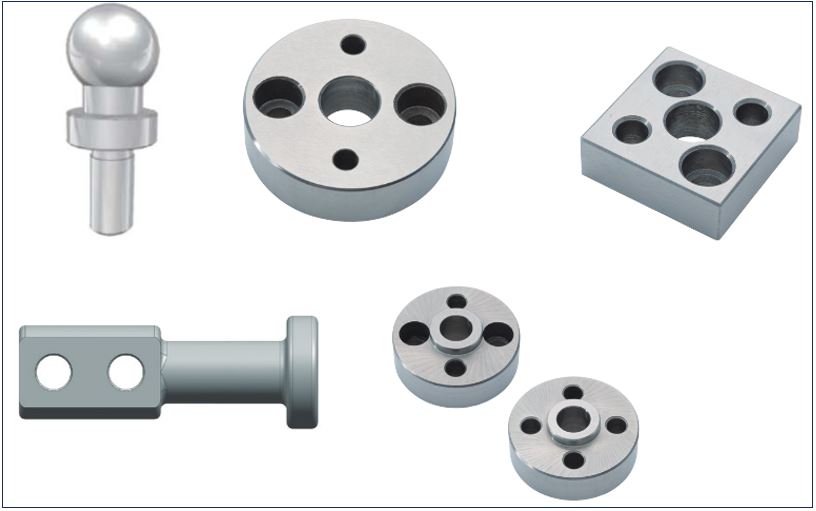
Accessories for checking fixtures include additional elements that enhance usability, precision, and workflow efficiency. These may not directly interact with the part but support the overall inspection process by improving ergonomics, repeatability, or tool organization. Typical accessories include base plates, indicator holders, ergonomic handles, part identification plates, calibration blocks, and alignment aids. Their purpose is to reduce operator fatigue, simplify fixture handling, and maintain consistency between inspections. By integrating thoughtful accessories, engineers create a more intuitive and stable inspection station that maintains reliability over long production cycles.
Accessories play an important role in preventing operational inconsistencies. Small additions such as dedicated tool trays or reference markers help operators follow a more structured routine. Even simple accessories can minimize setup time, reduce handling mistakes, and assist new operators in learning the inspection process more efficiently. Incorporating the right accessories early in the design phase supports more seamless part flow and strengthens the fixture’s long-term serviceability.
Toggle Clamps for Checking Fixtures
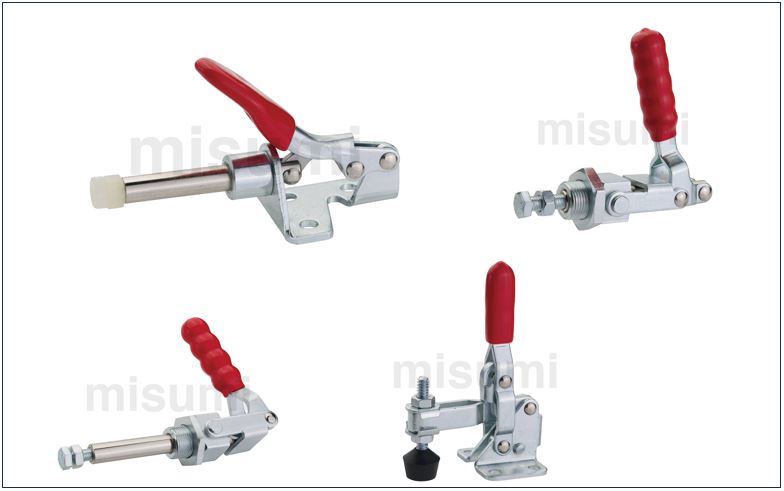
Toggle clamps secure parts firmly in place during the inspection process, ensuring that no movement occurs while measurements are taken. Their mechanical locking system provides stable and repeatable clamping force without damaging the part surface. Engineers select toggle clamp types based on part geometry, required holding force, available space, and the need for ergonomic operation.
Toggle clamps also help reduce cycle time since operators can lock and release parts quickly while maintaining consistent pressure. This reduces the risk of deformation or misalignment that might affect measurement accuracy. When properly positioned on the fixture, toggle clamps support predictable part behavior, minimizing the impact of external factors such as operator strength or handling style. Their long lifespan and reliability make them a standard choice in most industrial checking fixtures.
Support Stands for Checking Fixtures
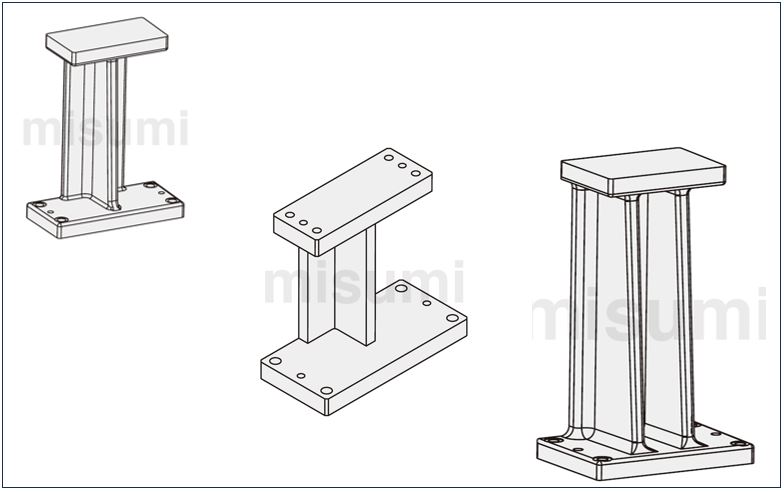
Support stands provide structural stability for fixtures, especially those designed for medium to large components. These stands elevate the fixture to a comfortable working height, allowing operators to inspect parts without undue bending or awkward postures. Support stands also help distribute weight evenly, preventing long-term fixture distortion and ensuring measurement stability.
A well-designed stand accounts for fixture size, material weight, expected load, and workflow conditions. Some stands incorporate leveling feet to compensate for floor unevenness, while others include castors to allow movement across inspection areas. By offering a balanced and vibration-resistant platform, support stands ensure the fixture remains steady even during repeated loading cycles. This contributes to better accuracy and enhances the fixture’s overall lifespan.
Swing Gauges for Checking Fixtures
Swing gauges provide a fast and straightforward method for checking dimensional features without requiring advanced measuring instruments. These gauges pivot on a fixed point, swinging into position to confirm whether a part meets a specific requirement. They are ideal for verifying holes, slots, edges, and datum-related features that require quick confirmation rather than detailed numeric measurement.
Engineers use swing gauges when inspection speed and repeatability are more important than obtaining full-dimensional data. They help reduce operator dependency by transforming complex checks into simple go or not-go motions. Swing gauges also prevent unnecessary variation in interpretation since their movement path is predetermined and consistent. When integrated into checking fixtures, they streamline routine inspection activities and support high-output manufacturing environments.
Inspection Pins and Bushes for Accurate Locating
Inspection pins and bushes form the locating system that ensures each part is placed in the correct position before measurement begins. These components control how the part sits within the fixture, referencing datums and preventing unintended shifts. Engineers design pins and bushes to correspond precisely with the part’s geometry, ensuring accurate repeatability across thousands of inspection cycles.
Pins serve as contact points, while bushes guide or constrain the movement of those pins. Together, they create a stable positioning structure that aligns parts according to predefined datums. Without robust locating elements, even small positional errors can generate inconsistent measurement readings and potentially lead to incorrect quality decisions. High-quality pins and bushes play an essential role in delivering reliable inspection results, reducing uncertainty, and supporting compliance with dimensional standards.
The Importance of Choosing the Right Components
Selecting the correct components for a checking fixture significantly affects inspection accuracy, operator comfort, and long-term maintenance needs. Components that match the part’s geometry and functional datums provide smoother inspection flow and reduce the likelihood of errors introduced during manual handling. When each element is placed strategically, operators can complete inspections quickly, consistently, and with minimal interpretation.
The right component choices also reduce fixture wear, as the forces applied during loading and clamping follow controlled paths. This prevents mechanical stress from weakening fixture elements or shifting their alignment. High-quality components may require a slightly higher initial investment, but they result in lower maintenance costs and more stable performance over time. A well-constructed fixture supports more efficient production processes and helps maintain tighter quality control standards.
Best Practices When Designing Checking Fixture Components
Designing checking fixtures requires engineering judgment, an understanding of dimensional control, and awareness of production workflows. Choosing components should never rely on guesswork or generic templates. Best practices include studying part geometry, identifying key datums, understanding functional criteria, and evaluating operator interaction. Engineers should also consider long-term usability, maintenance accessibility, and future scalability.

Another important consideration involves selecting components from suppliers that meet consistent quality standards. Consistent material properties, tolerance accuracy, and machining quality affect the fixture’s overall reliability. When a fixture uses components of varying precision, the inspection system may suffer from inconsistent results. Proper planning ensures that the fixture provides dependable performance through the entire product lifecycle.
During the middle section of the project evaluation stage, engineering teams often compare supplier options for fixture build. For readers seeking reliable partners, you may refer to trusted checking fixture manufacturers.
This resource provides insights into companies experienced in designing and producing fixtures for complex industrial parts.
Why High-Quality Fixture Components Improve Long-Term Efficiency
High-quality fixture components reduce downtime and rework caused by unstable measurement conditions. When pins, clamps, bushes, and accessories are machined to consistent tolerances, they maintain alignment longer and resist wear even under demanding production environments. This stability ensures that inspection data remains consistent across shifts, reducing the likelihood of measurement disputes or uncertainty.
Furthermore, robust components simplify preventive maintenance. Operators can identify wear or misalignment more easily and replace parts without dismantling the entire fixture. As production volumes increase, the importance of component durability becomes even more evident. Strong, reliable components help maintain inspection integrity, protect downstream processes, and support continuous improvement initiatives within the manufacturing environment.
Integrating Components Into a Complete Checking Fixture System
A checking fixture is more than a collection of mechanical parts. It is a coordinated system designed to reflect the part’s functional requirements and dimensional behavior. Integrating components must follow logical principles so that each element interacts with the part in a predictable manner. Toggle clamps control holding force, pins guide positioning, swing gauges confirm critical features, and accessories support workflow structure.
Successful integration requires clear communication between design engineers, production teams, and inspection personnel. Engineers should validate component placement through simulations or prototype tests to confirm that the fixture performs as intended. When a fixture is assembled with thoughtful integration, operators can perform accurate inspections with minimal training. This synergy contributes to stronger quality assurance and smoother production flow.
Choosing the Right Partner for Checking Fixture Manufacturing
Selecting a manufacturing partner for fixture development directly influences component quality and fixture performance. Partners that understand engineering standards, GD&T requirements, and production challenges provide more effective solutions. A reliable provider will assess part geometry, recommend optimal component selection, and construct fixtures that support efficient inspection processes.
Desain Teknik Indonesia is one such partner with extensive experience in designing and manufacturing checking fixtures using proven engineering principles. Their team focuses on precision, durability, and usability when selecting components for fixture builds. Clients receive fixtures designed for long-term accuracy, smooth operator interaction, and dependable structural integrity.
For inquiries, design consultations, or quotation requests, you may Contact our engineering team.
Conclusion
Checking fixture components are essential elements that contribute to inspection accuracy, repeatability, and operational efficiency. By selecting appropriate pins, bushes, clamps, gauges, supports, and accessories, engineers can create inspection systems that remain stable under extended production cycles. Proper component selection also enhances operator comfort, reduces measurement errors, and strengthens overall quality assurance. Whether used for automotive parts, plastic components, metal stamping, or precision machining, well-chosen components ensure that dimensional validation occurs consistently and reliably.
Partnering with an experienced fixture manufacturer further enhances these benefits, ensuring that every fixture is built to handle real production demands. With the correct design approach and dependable components, checking fixtures become invaluable tools for maintaining tight tolerances and supporting continuous improvement across manufacturing environments.