

Manufacturing operations frequently encounter recurring issues that reduce production efficiency. Components may shift slightly during machining or assembly, operators may rely too heavily on manual alignment, and repeated setups can introduce inconsistencies. These small deviations accumulate over time, creating variations in product quality and increasing the risk of rework or rejected parts. In environments where precision and repeatability are essential, relying solely on manual positioning becomes a costly limitation.
When production volumes increase, the impact of these inefficiencies becomes more pronounced. Operators must spend additional time aligning components, machines remain idle while setups are adjusted, and production flow slows down. Quality control teams may detect dimensional inconsistencies that originate not from machine capability but from unstable workholding or inaccurate positioning. Over time, these issues can affect delivery schedules, operational costs, and the overall reliability of the manufacturing process.
A well-engineered jig fixture system addresses these problems by ensuring that every component is positioned accurately and consistently throughout the production cycle. Custom jig fixture design allows manufacturers to standardize setups, reduce operator dependency, and improve machining or assembly precision. By integrating purpose-built jigs into the production workflow, companies can significantly improve productivity while maintaining stable product quality across every batch.
Contents
show
Custom Jig Fixture Design for Industrial Production
Custom jig fixture design for industrial production focuses on developing specialized tools that guide, support, or hold workpieces during manufacturing operations. These tools are engineered according to the geometry of the component, the machining process involved, and the required production volume.
Unlike generic workholding solutions, custom jigs are designed specifically for a particular manufacturing process. They ensure that parts remain fixed in the correct position while machining, drilling, welding, or assembling takes place. This precision positioning reduces dimensional errors and improves repeatability.
In industrial production environments, properly designed jigs help maintain process consistency. They reduce setup time, improve operator efficiency, and minimize human error. By integrating customized jig fixtures into the workflow, manufacturers gain better control over their production processes and achieve more predictable results.
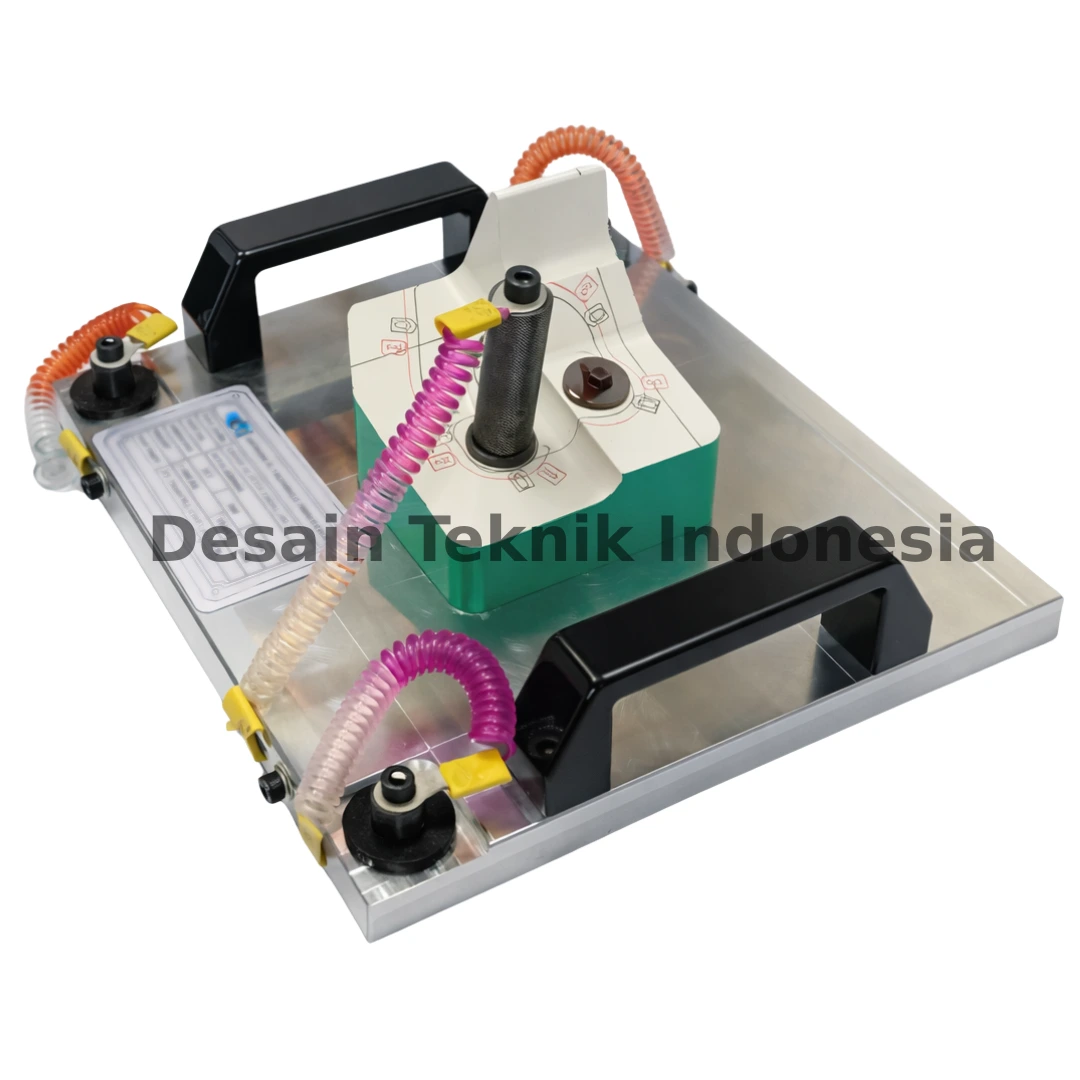
Understanding the Role of Jigs and Fixtures in Manufacturing
Jigs and fixtures are fundamental tools in modern manufacturing systems. Although the terms are often used interchangeably, they serve slightly different functions in the production process.
What Is a Jig?
A jig is a specialized tool that guides the cutting or machining tool during manufacturing. It not only holds the workpiece in place but also directs the movement of the tool to ensure accuracy. This guidance is particularly important in operations such as drilling or tapping where precise tool alignment is required.
By controlling tool positioning, jigs improve dimensional accuracy and reduce operator dependency. The result is a consistent machining process that produces identical components across multiple production cycles.
What Is a Fixture?
A fixture is designed primarily to hold and secure the workpiece in the correct location during machining or assembly. Unlike jigs, fixtures do not guide the cutting tool. Instead, they ensure the workpiece remains stable while the machine performs its operation.
Fixtures are commonly used in milling, turning, welding, and assembly processes where stability and positioning accuracy are essential. A well-designed fixture ensures that the workpiece does not move or vibrate during machining, which helps maintain surface quality and dimensional precision.
To understand how these tools work together in industrial applications, manufacturers often refer to detailed explanations of Jig and Fixture systems that describe their design principles, engineering considerations, and practical uses within production environments.
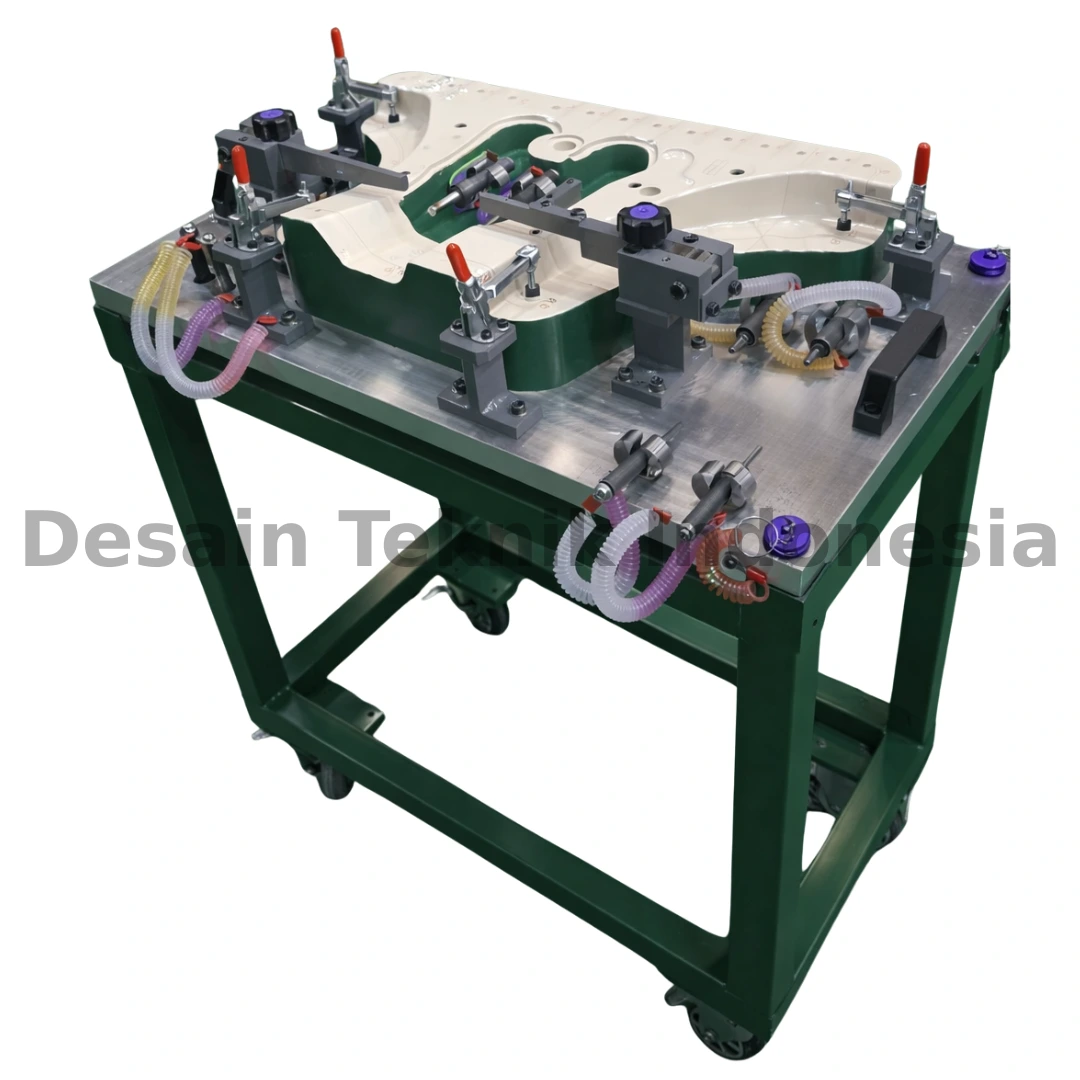
Why Custom Jig Fixtures Are Essential in Industrial Production
Industrial production processes require high levels of repeatability. Even small deviations can create quality problems when thousands of components are produced every day.
Custom jig fixtures provide several operational advantages that support production efficiency and product consistency.
Improved Production Accuracy
Custom jig fixtures ensure that each component is positioned exactly the same way during every operation. This consistency reduces dimensional variation and improves the overall precision of the manufactured parts.
When components are held securely and aligned correctly, machining tools can perform their operations with greater reliability. The result is tighter tolerances and fewer quality issues.
Faster Setup and Reduced Downtime
Manual setups often require operators to spend significant time adjusting workpieces before machining begins. Custom jig fixtures simplify this process by providing predefined positioning points that eliminate trial-and-error adjustments.
As a result, machine setup times decrease and production can resume more quickly after tool changes or batch transitions.
Reduced Operator Dependency
A well-designed jig fixture standardizes the production process. Operators no longer need to rely heavily on manual measurements or visual alignment when positioning components.
This standardization improves productivity and ensures consistent results even when different operators handle the same production line.
Engineering Considerations in Custom Jig Fixture Design
Designing an effective jig fixture requires a structured engineering approach. Each design must consider the geometry of the workpiece, the manufacturing process, and the production environment where the jig will be used.
Workpiece Geometry and Clamping Strategy
The shape and dimensions of the component strongly influence jig fixture design. Engineers must analyze the workpiece carefully to determine the most stable clamping points.
Proper clamping ensures that the workpiece remains secure without causing deformation. A balanced clamping strategy distributes forces evenly and prevents damage to sensitive areas of the component.
Material Selection and Durability
Jigs used in industrial production must withstand repeated mechanical stress and exposure to machining environments. Material selection therefore becomes an important design factor.
High-strength tool steel, hardened alloys, or specialized engineering materials may be used depending on the production requirements. The goal is to ensure long service life while maintaining dimensional stability.
Ergonomics and Operator Safety
Industrial tools must also consider operator comfort and safety. Jig fixtures should be designed so that loading and unloading components can be performed efficiently without excessive force or awkward positioning.
Ergonomic designs reduce fatigue and minimize the risk of workplace injuries, particularly in high-volume production environments where operators perform repetitive tasks.
The Custom Jig Design and Manufacturing Process
Creating a reliable jig fixture involves several engineering stages. Each step ensures that the final tool meets the production requirements and performs consistently during operation.
Requirement Analysis
The design process begins with a detailed analysis of the manufacturing operation. Engineers evaluate the machining method, production volume, and quality requirements to determine the appropriate jig design strategy.
This stage also includes studying the component geometry and identifying potential challenges related to positioning, clamping, or tool access.
3D Design and Engineering Simulation
After the requirements are defined, engineers develop the jig concept using CAD software. Three-dimensional models allow designers to visualize the interaction between the jig, the workpiece, and the machining tool.
Engineering simulations may also be conducted to verify structural strength, clamping forces, and accessibility. This ensures that the design functions correctly before manufacturing begins.
Manufacturing and Assembly
Once the design is finalized, the jig fixture is manufactured using precision machining processes. Components are carefully assembled and inspected to ensure dimensional accuracy.
Quality checks verify that the jig performs according to the design specifications and meets the required tolerances.
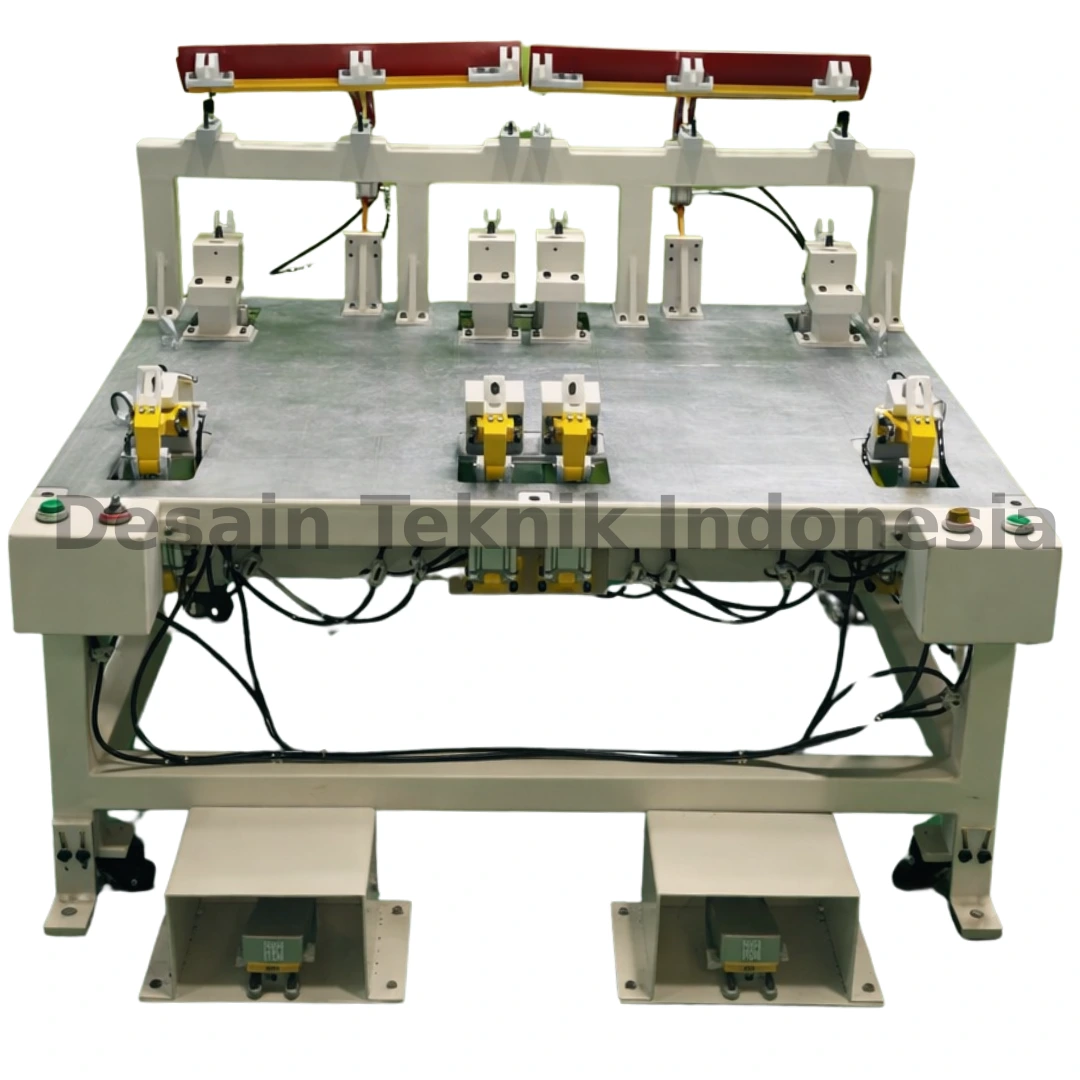
Jig Design and Manufacturing Services from Desain Teknik Indonesia
Desain Teknik Indonesia offer Jig design and manufacturing services for various production and assembly needs. Our goal is to boost manufacturing process efficiency and ensure consistent product quality. The jigs we produce are precisely engineered, ergonomic, and customized to meet your specific requirements.
Each project begins with a detailed evaluation of the client’s production process. By understanding the operational challenges and production targets, our engineering team develops jig solutions that integrate smoothly with existing manufacturing systems.
Our design approach prioritizes durability, precision, and ease of use. Every jig is engineered with attention to structural stability, ergonomic operation, and long-term reliability. This ensures that the final tool not only improves productivity but also supports sustainable manufacturing performance.
Applications of Custom Jig Fixtures in Industrial Production
Custom jig fixtures are widely used across different manufacturing sectors where precision and efficiency are essential.
Machining and Metal Fabrication
In machining environments such as milling, drilling, or turning operations, jig fixtures ensure stable workpiece positioning. This stability allows cutting tools to operate with consistent accuracy and improves the surface quality of finished parts.
Assembly and Production Lines
Assembly operations benefit significantly from customized jig fixtures. They help guide component placement, maintain alignment between parts, and reduce assembly errors.
By simplifying the assembly process, jigs enable operators to work more efficiently while maintaining consistent product quality.
Welding and Fabrication
In welding applications, jig fixtures hold components in precise positions to ensure accurate alignment during welding. This prevents distortion and ensures that welded structures meet dimensional specifications.
Partnering with the Right Engineering Team
Selecting the right engineering partner is essential when developing custom jig fixtures. A skilled design team understands both the mechanical principles and the practical realities of manufacturing environments.
An experienced engineering partner evaluates not only the component design but also the entire production workflow. This holistic perspective helps identify opportunities to simplify operations, reduce setup times, and improve overall productivity.
Companies that invest in professionally engineered jig fixtures often achieve measurable improvements in process stability and manufacturing efficiency.
Manufacturing performance often depends on small details within the production process. A properly designed jig fixture can eliminate alignment errors, reduce setup complexity, and maintain consistent product quality across large production volumes.
If your production line currently faces challenges related to positioning accuracy, repeated setups, or inconsistent assembly results, a custom jig fixture solution may provide the improvement needed to stabilize your operations.
Engineering consultation can help evaluate your existing workflow and identify opportunities where specialized jig fixtures can increase efficiency. Discussing your production requirements with an experienced design team is often the first step toward building a more reliable and productive manufacturing system.
Organizations seeking practical solutions for machining, assembly, or fabrication processes are encouraged to explore custom jig fixture development as part of their production strategy. A carefully engineered jig can transform complex manual operations into structured, repeatable workflows that support long-term industrial growth.